

Partially oxidized MXenes for energy storage applications
This review examines partial oxidation as a strategic approach to enhance the performance of two-dimensional (2D) MXenes. While MXenes—transition metal carbides, nitrides, or carbonitrides—show immense promise for energy storage, their practical implementation is often hindered by sheet restacking, structural degradation via uncontrolled oxidation, and limited surface functionality. The authors systematically deconstruct the underlying formation mechanisms, the resulting changes in physicochemical properties, and the electrochemical applications of partially oxidized MXenes, ultimately providing a comprehensive overview of current challenges and future research directions.
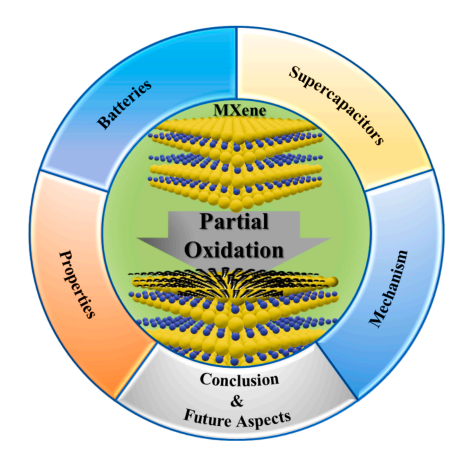
Scheme 1. Schematic illustration of the review.
Technology Overview
Partial oxidation introduces controlled oxygen-containing functional groups and localized metal oxide domains (such as TiO₂) onto MXene surfaces through methods like thermal calcination, electrochemical anodic oxidation, hydrothermal treatment, and hydrogen peroxide (H₂O₂) exposure. Rather than destroying the 2D matrix, this targeted modification strategically transforms portions of the material while preserving the highly conductive core MXene regions. This synergetic process effectively increases interlayer spacing, introduces porous architectures, and generates abundant redox-active sites, creating a robust hybrid structure that prevents fully collapsing into bulk oxides while maintaining excellent electron transport channels.
Applications & Benefits
Partially oxidized MXenes exhibit significantly enhanced performance across various energy storage platforms, including supercapacitors, as well as lithium-ion, sodium-ion, and zinc-ion batteries. The primary benefits include substantially higher specific capacitance, accelerated ion diffusion kinetics, improved long-term cycling stability, and a marked reduction in sheet restacking. Beyond electrochemical energy storage, these engineered hybrids also show great potential in photocatalytic hydrogen generation. Ultimately, controlled oxidation successfully flips a notorious vulnerability of MXenes—their susceptibility to environmental degradation—into a powerful tuning tool for superior performance.
Abstract:
Two-dimensional (2D) materials have gained significant attention. MXenes, a member of 2D materials have shown promising properties for various applications. Partial oxidation has emerged as a strategy to enhance the performance of MXenes. This review article thoroughly discussed the mechanism, advantages/disadvantages, and energy storage applications of partially oxidized MXenes. Further the review presents the existing challenges and future prospects for the utilization of oxidized MXenes not only in energy storage but also in other applications. Overall, this comprehensive review provides valuable insights into the potential applications of sustainable energy.

Partially oxidized MXenes for energy storage applications
Author:Hussain Iftikhar, Bibi Faiza, Pandiyarajan Sabarison, Hanan Abdul, Chuang Ho-Chiao, Zhang Kaili
Year:2025
Source publication:Progress in Materials Science, Volume 147, January 2025, 101351
Subfield Highest percentage: 99% General Materials Science #1 / 475