

Prediction models for soundscape attributes: A meta-analysis of psychoacoustic parameters in built environments
This study addresses the challenge of predicting human perceptions of soundscapes in built environments without relying on extensive subjective data collection. Adhering to the ISO 12913-3 framework, the researchers conduct a systematic meta-analysis to synthesize heterogeneous datasets from individual studies. By correlating objective psychoacoustic parameters—such as loudness, sharpness, roughness, and fluctuation strength—with subjective soundscape attributes like pleasantness and eventfulness, the paper establishes generalized prediction models. This quantitative synthesis reconciles methodological variations across past research, providing a standardized, data-driven approach to evaluating how individuals perceptually experience and emotionally respond to diverse acoustic environments in urban and architectural spaces.
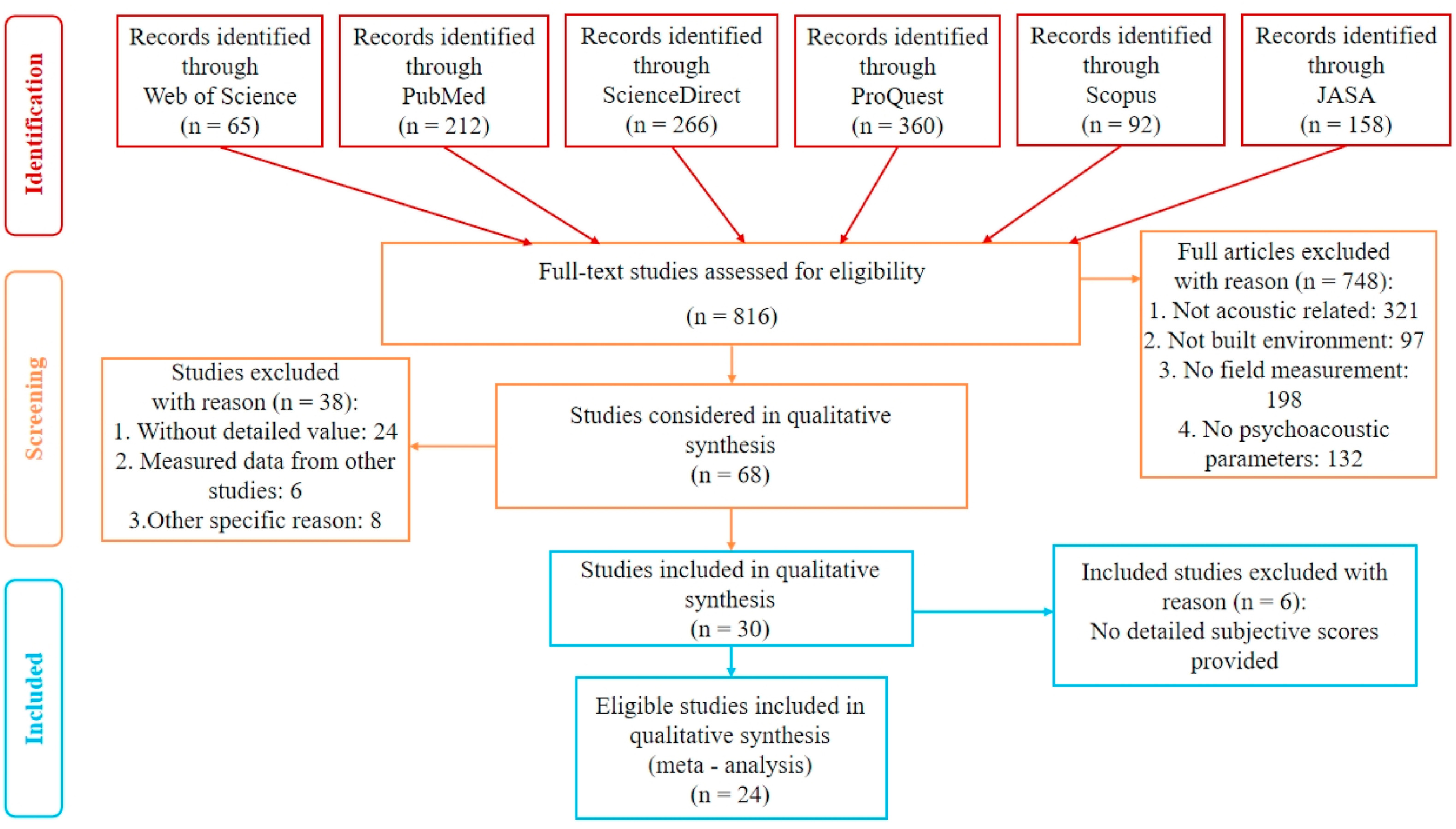
Fig. 2. PRISMA flow diagram of the eligible studies selection process.
Technology Overview
The technology employs a rigorous meta-analysis framework to aggregate diverse acoustic datasets. It utilizes multi-variable regression and statistical modeling to map objective psychoacoustic indicators (loudness, sharpness, roughness) directly onto subjective soundscape coordinates (pleasantness, eventfulness). By integrating heterogeneous evaluation methods into a unified predictive model, the system enables the automated assessment of human acoustic comfort based purely on physical sound metrics.
Applications & Benefits
This research is highly applicable to urban planning, architectural design, environmental noise management, and smart city development. It delivers significant benefits by replacing costly, time-consuming subjective surveys with accurate, automated prediction models. Ultimately, it empowers designers to proactively optimize acoustic comfort, minimize urban noise annoyance, and foster healthier, more harmonious living environments for public well-being.
Abstract:
Evaluating the human pleasantness to soundscape attribute is essential for urban design, and psychoacoustics is an emerging method for assessing the effects of acoustic environments on human perceptions of sounds. Although ISO 12913-3 standard provided the guidelines for the soundscape attribute measurements, it is difficult to establish a prediction model without gathering subjective data from people in various public spaces. Moreover, the development of a synthesized prediction model is challenging due to the heterogeneous nature of the evaluation methods in individual studies. This paper aims to conduct a meta-analysis predicting the subjective soundscape scores by given psychoacoustic parameters. The process of systematic literature review identified 30 eligible studies that employed psychoacoustic parameters and soundscape attributes. The meta-analysis of soundscape attribute predictions integrated the data from the 24 eligible studies and generated two synthesized models. A unidimensional pleasantness model is developed to predict the pure pleasantness P in acoustic studies. The soundscape attributes models are established to predict soundscape pleasantness (ISOP) and eventfulness (ISOE) as defined by ISO 12913-3, which consists of four psychoacoustic metrics and the interaction effects. This study will provide a prospective approach to understanding psychoacoustic parameters and soundscape attributes for future research in various built environments.

Prediction models for soundscape attributes: A meta-analysis of psychoacoustic parameters in built environments
Author:Deng Supeng, Mak Cheuk Ming, Ma Kuen Wai
Year:2026
Source publication: Journal of Building Engineering, Volume 123, April 2026, 115933
Subfield Highest percentage: 99% Architecture #2/210