

Ambipolar Organic–Inorganic Heterostructure Transistor Array for Integrated Visual Information Processing
This study addresses the critical challenge of hardware bottlenecks in traditional Von Neumann architecture when processing massive visual data. To emulate the high-efficiency, multi-functional capability of the human visual system, the researchers develop an advanced ambipolar organic-inorganic heterostructure transistor array. By combining the high mobility of inorganic materials with the tuneable electronic properties of organic semiconductors, the device achieves balanced ambipolar transport. This design enables integrated sensing, memory, and computing within a single-device platform. The resulting array successfully performs complex visual information processing tasks, such as adaptive image recognition and real-time contrast enhancement, paving the way for low-power neuromorphic vision systems.
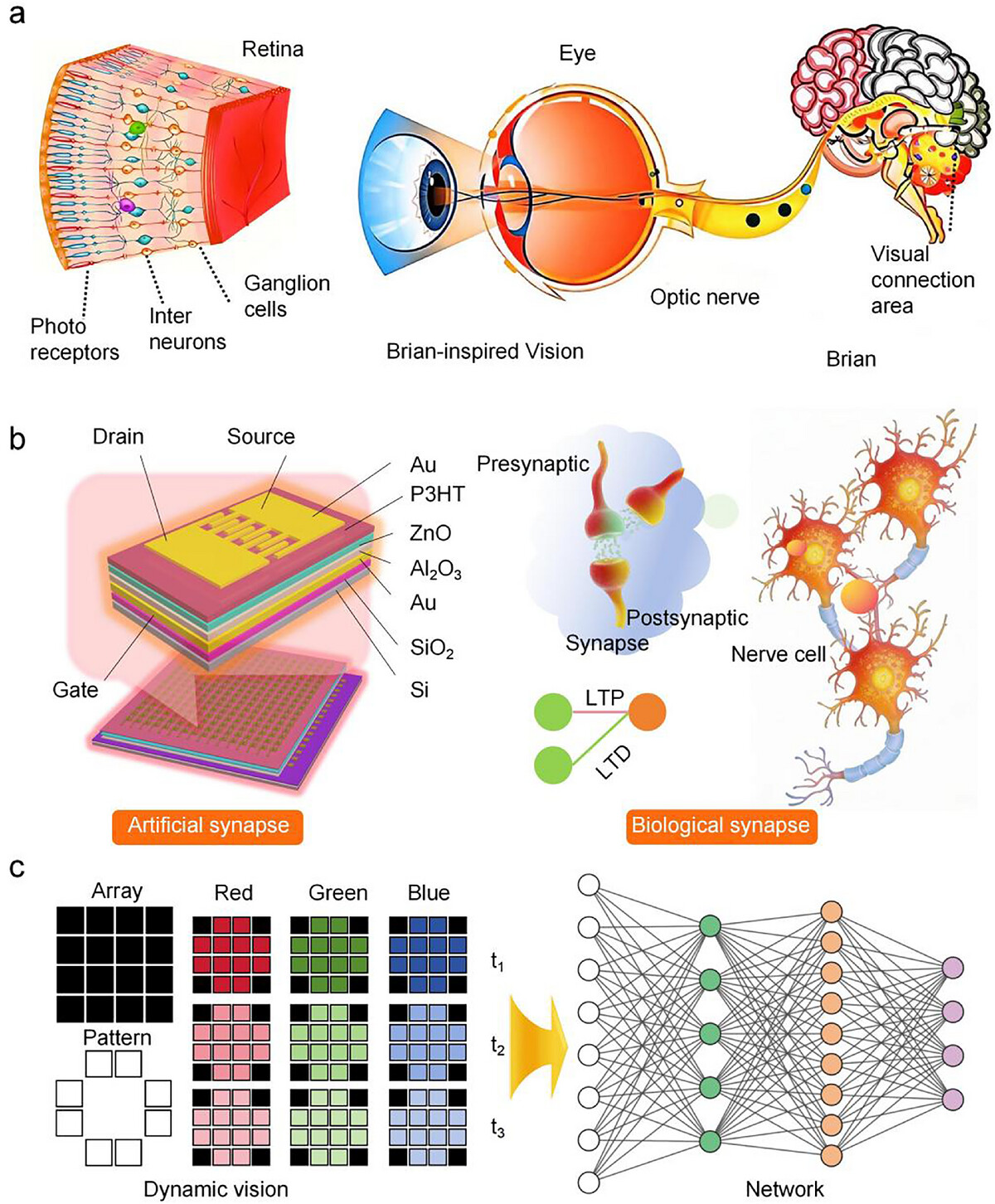
FIGURE 1 Bio-inspired principle and system architecture.
Technology Overview
The technology introduces an integrated ambipolar heterostructure architecture merging organic and inorganic semiconducting layers. Methodologically, it balances electron and hole transport under optical and electrical stimuli through precise interface energy alignment. This dual-carrier modulation enables controllable charge trapping and detrapping, allowing the transistor array to simultaneously replicate visual perception and synaptic memory functions.
Applications & Benefits
This innovation applies directly to neuromorphic computing, artificial vision systems, smart surveillance, and edge-intelligence hardware. It delivers significant benefits by replacing multi-component sensor-processor layouts with a highly integrated, single-device platform. Ultimately, it dramatically reduces system power consumption, eliminates data latency, and enhances spatial recognition accuracy for decentralized artificial intelligence applications.
Abstract:
The rapid evolution of artificial intelligence presents not only unprecedented opportunities but also significant technical challenges, particularly in the development of next-generation computing hardware. To overcome these hurdles, there is an urgent demand for novel chip architectures that offer both ultralow power consumption and high computational efficiency. Neuromorphic computing, inspired by the neural architecture of the human brain, represents a paradigm shift beyond the conventional von Neumann framework, promising remarkable gains in processing capability. Here, we report an ambipolar transistor array based on a vertically stacked polymer/oxide heterostructure, meticulously engineered to integrate electrical computation with optical sensing within a single device. This transistor enables simultaneous electrical and optical modulation, supporting both synaptic transmission under electrical stimuli and dynamic visual information processing under optical inputs. The integrated array system demonstrates efficient and low-power execution of visual processing, classification, and prediction tasks, highlighting its potential for neuromorphic computing applications such as real-time traffic analysis. Our findings pave the way for multifunctional and energy-efficient neuromorphic hardware capable of bridging the gap between sensing and computation.
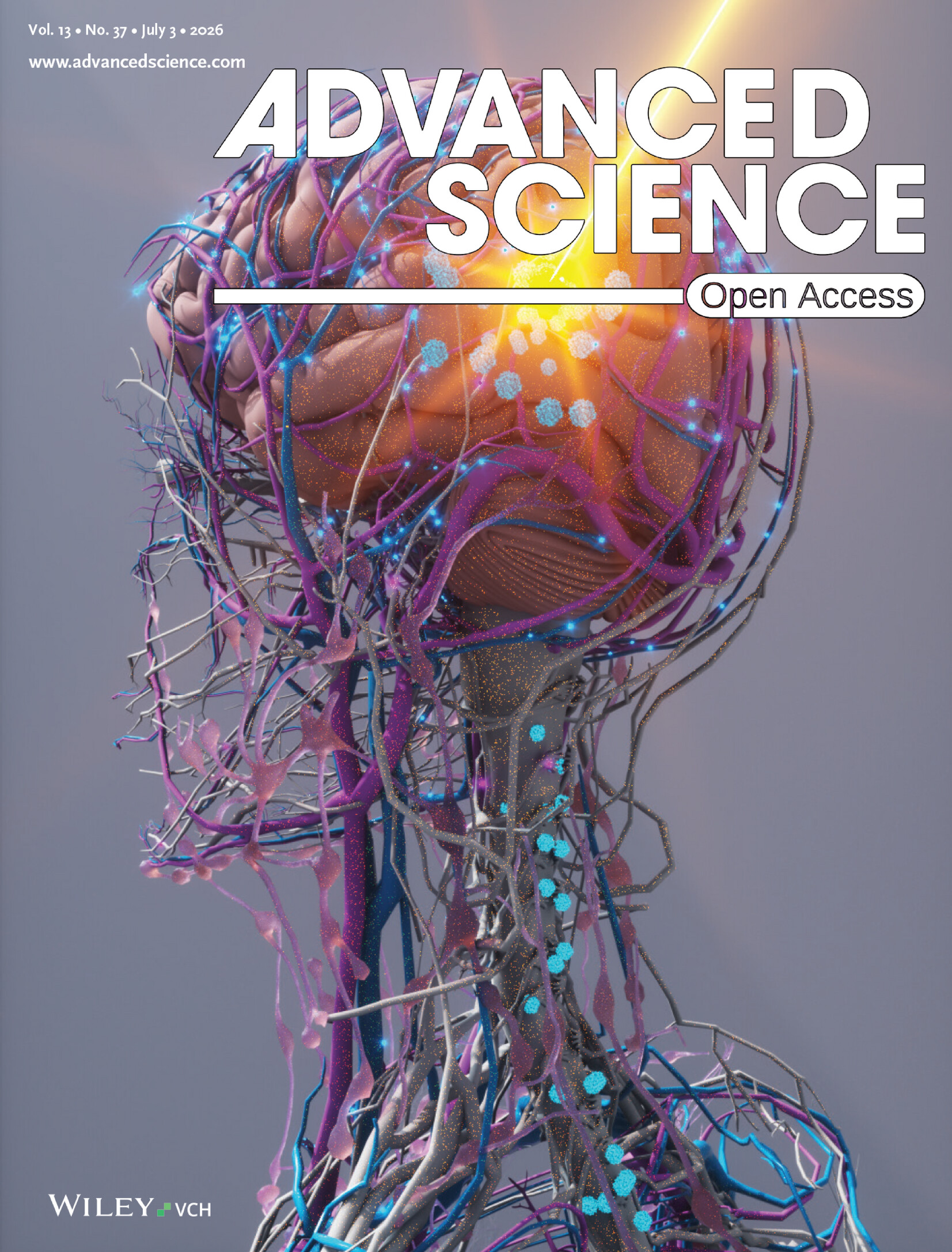
Ambipolar Organic–Inorganic Heterostructure Transistor Array for Integrated Visual Information Processing
Author:Zhong Wen-Min, Zhang Wenbin, Zeng Yu-Xiang, Zhao JiYu, Jia Ziqi, Veeramuthu Loganathan, Ding Guanglong, Yan Yan, Zhang Meng, Han Su-Ting, Roy Vellaisamy A. L., Wang Fengyun, Kuo Chi-Ching, Zhou Ye
Year:2026
Source publication: Advanced Science, Volume 13, Issue 37, July 2026
Subfield Highest percentage: 99% Biochemistry, Genetics and Molecular Biology #1/144