

Integrating relational values in social acceptance of photovoltaic energy storage systems: A consumers' perspective assessment using structural equation modeling
This study investigates consumer acceptance of photovoltaic (PV) energy storage systems in Pakistan from a psychological perspective. Using an online survey of 370 respondents in Islamabad, the research examines consumers' willingness to adopt these green systems over conventional grid-connected alternatives. By integrating the Theory of Planned Behavior with human-nature relational values, the study explores how intrinsic environmental connections influence technology adoption. The structural equation modeling (SEM) results demonstrate that relational values can successfully mitigate the negative perceptions of high initial technology costs, offering vital pathways to promote sustainable energy transitions.
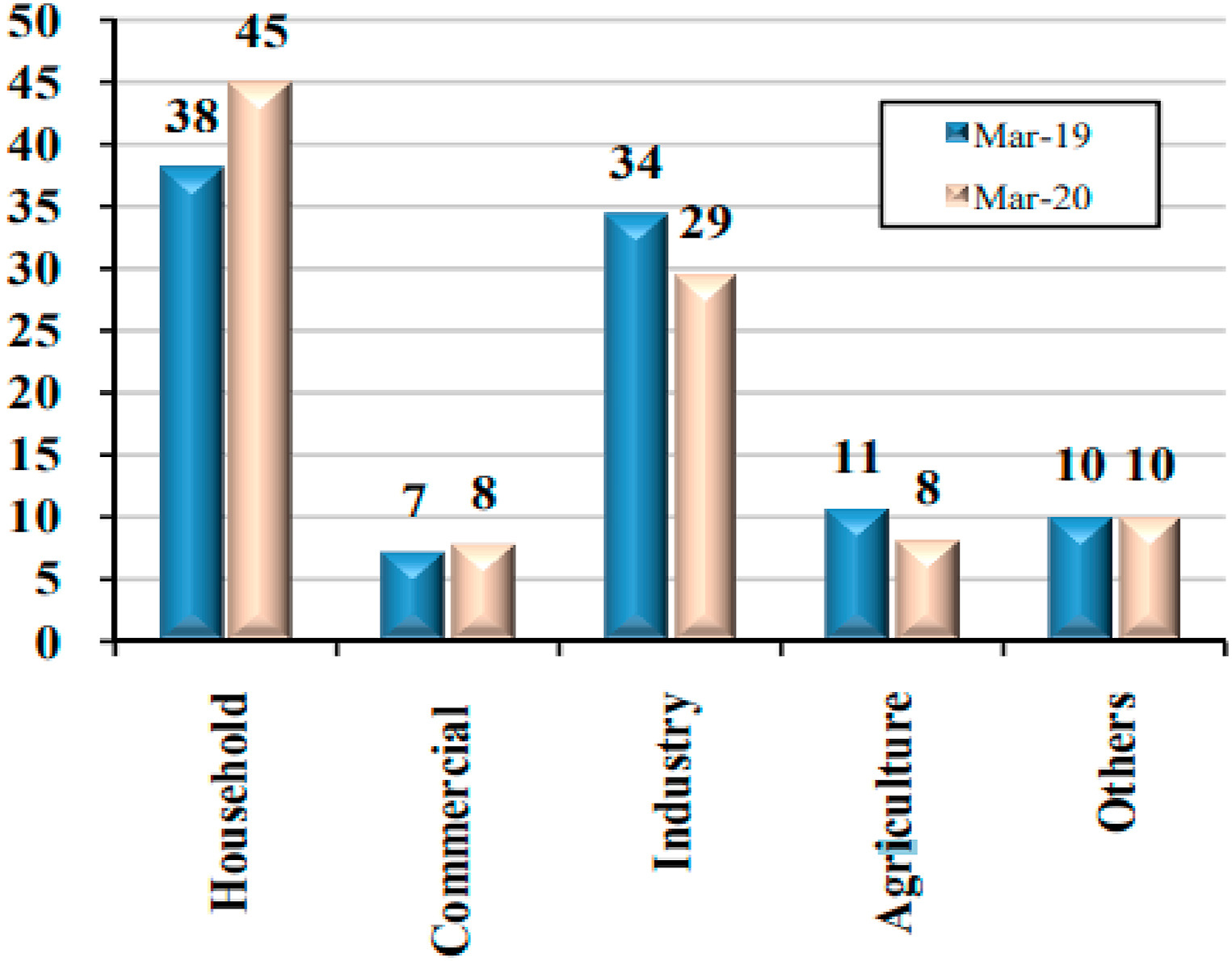
Fig. 1. Sector-wise energy consumption in Pakistan.
Technology Overview
The research framework utilizes Structural Equation Modeling (SEM) to evaluate survey data and test behavioral hypotheses. The model integrates traditional Theory of Planned Behavior variables—such as system awareness, cost perception, beliefs, self-effectiveness, and environmental knowledge—with human-nature relational values. Statistical analyses confirm data validity and reliability using exploratory factor analysis and goodness-of-fit indices.
Applications & Benefits
The findings assist energy policymakers and stakeholders in designing financial incentives, tax cuts, and subsidies to accelerate renewable energy adoption. By leveraging environmental psychology and eco-labels, these strategies promote sustainable household energy storage. Ultimately, this approach reduces national reliance on fossil fuels, minimizes grid demand during peak hours, and combats global climate change.
Abstract:
Photovoltaic (PV) energy sources are considered potential sources of renewable energy for combating climate change. However, consumer acceptance of PV-based energy storage systems must be studied comprehensively and psychologically beyond mere awareness and affordability. This study explores consumer acceptance of PV energy storage systems, along with an added relational value context that demonstrates the conducive human-nature relationship among energy consumers. An online survey of 370 respondents was used to examine consumers’ willingness to prefer PV energy storage systems over non-renewable grid-connected energy storage systems. Results of the study were analyzed using a comprehensive structural equation model to estimate and test hypotheses. The findings indicate the favorable influence of several elements on PV energy system social acceptability, including PV energy system awareness, PV energy system beliefs, environmental knowledge, self-effective perception, and relational values. Conversely, the cost of PV energy systems has a negative effect. This study suggests that relational values may offset the negative impacts of energy costs. The inherent link between relational values and the prioritization of sustainable energy storage options serves as a source of information for energy policymakers and stakeholders to regulate energy consumption by influencing consumers to express their love for nature.
Integrating relational values in social acceptance of photovoltaic energy storage systems: A consumers' perspective assessment using structural equation modeling
Author:Abbas Shahbaz, Techato Kuaanan, Chiang Hsieh Lin-Han, Sadeq Abdellatif M.
Year:2024
Source publication: Energy, Volume 304, 30 September 2024, 132092
Subfield Highest percentage: 99% Modeling and Simulation #2/361