

How emojis and relationships shape sarcasm perception in computer-mediated communication
This study investigates how emojis and interpersonal relationships influence sarcasm perception in computer-mediated communication. Using 127 Chinese participants, the research examined six emoji conditions, three relationship types, and two sentence valences. The findings reveal that emojis significantly affect perceptions of sarcasm, friendliness, and humor. The unamused emoji strongly signals sarcastic criticism, whereas the wink emoji alters sarcasm interpretation depending on message valence. The study also highlights cultural differences in emoji usage and demonstrates that sender–receiver relationships influence emotional responses in online communication.
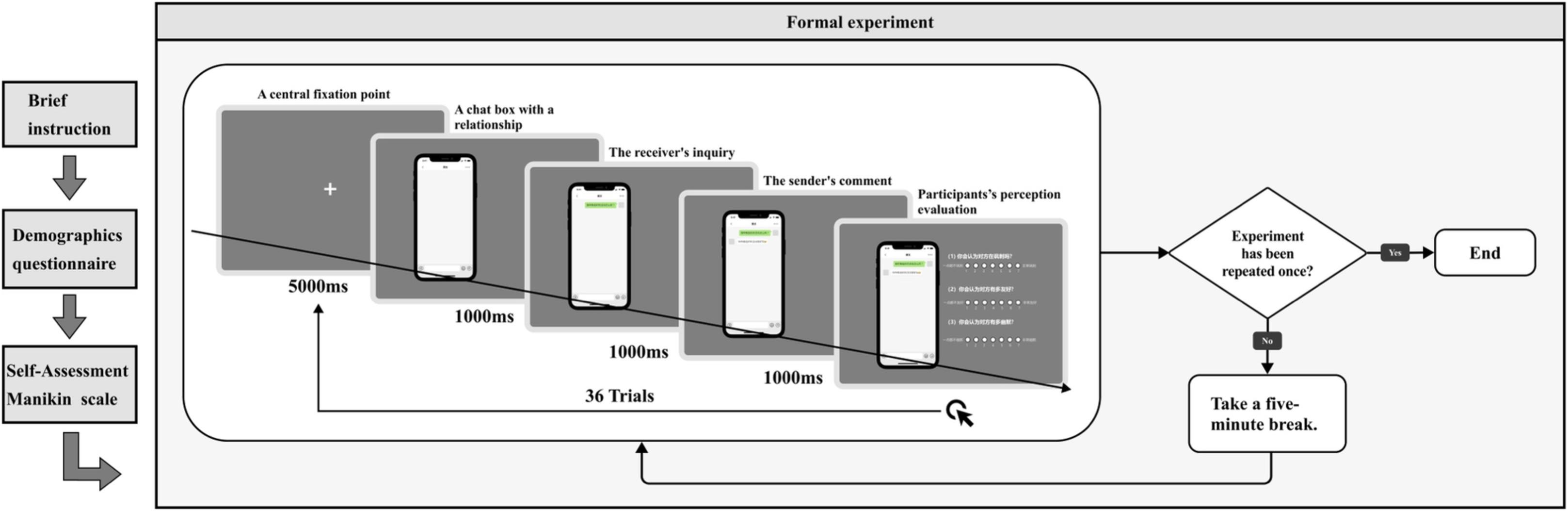
Fig. 2. Illustration of experimental procedure.
Technology Overview
The study employed a simulated instant messaging platform combined with a 6 × 3 × 2 experimental design. Participants evaluated sarcasm, friendliness, humor, and reaction time across different emojis, relationships, and sentence valences using Likert-scale assessments and statistical analysis.
Applications & Benefits
The findings can improve digital communication, social media design, and AI-based sentiment analysis. Understanding how emojis influence sarcasm perception helps reduce misunderstandings, enhance interpersonal interactions, and support culturally aware communication systems and intelligent messaging applications.
Abstract:
Previous studies have reported that the ‘Wink’ emoji is considered an effective indicator of sarcasm in computer-mediated communication. However, few studies have compared the effects of different emojis on perceptions of sarcasm and available information about how emojis and relationships jointly affect perceptions of sarcasm. Thus, this study investigates how emojis and sender-receiver relationships influence the perception of sarcasm in ambiguous texts, whether positive or negative. A total of 127 Chinese participants rated sarcasm, unfriendliness, and humour across 36 communication scenarios (six emojis × three relationships × two sentence valences). The three-way analysis of variance results indicated that the use of the ‘Unamused’ emoji significantly affects the sarcasm perception and emotional responses to ambiguous text replies, where it is an effective indicator of sarcastic criticism. The use of the ‘Wink’ emoji affects sarcasm perceptions and emotional responses to ambiguous messages. In Eastern cultures, using a ‘Wink’ emoji in positive ambiguous replies tends to reduce the sarcastic tone, which contrasts with the findings from Western contexts. The ‘Tears of joy’, ‘Smirk’, and ‘Smiling’ emojis provide only limited enhancement, resulting in ambiguous interpretations. In addition, the effects of relationship and sentence valence were significant for emotional perception. These findings may support clearer communication and more harmonious relationships.
How emojis and relationships shape sarcasm perception in computer-mediated communication
Author:Xue Qiaoyi, Lee Yu-Chi
Year:2025
Source publication: Telematics and Informatics, Volume 97, February 2025, 102242
Subfield Highest percentage: 99% Communication #2/541