Hyperoside Stabilizes Redox–Mitochondrial–Inflammatory Networks in a Haloperidol-Induced Tardive Dyskinesia–Like Model
This study investigates the therapeutic potential of hyperoside in mitigating tardive dyskinesia (TD), a severe, involuntary movement disorder frequently induced by long-term antipsychotic treatment like haloperidol. The pathogenesis of TD is heavily linked to oxidative stress, mitochondrial dysfunction, and neuroinflammation. Utilizing a haloperidol-induced TD-like rodent model, this research demonstrates that hyperoside administration significantly alleviates vacuous chewing movements. Mechanistically, hyperoside stabilizes interconnected cellular networks by restoring antioxidant enzyme activities, enhancing mitochondrial membrane potential, and suppressing pro-inflammatory cytokine expression. These findings highlight hyperoside as a promising, multi-target neuroprotective agent for managing antipsychotic-induced motor side effects.
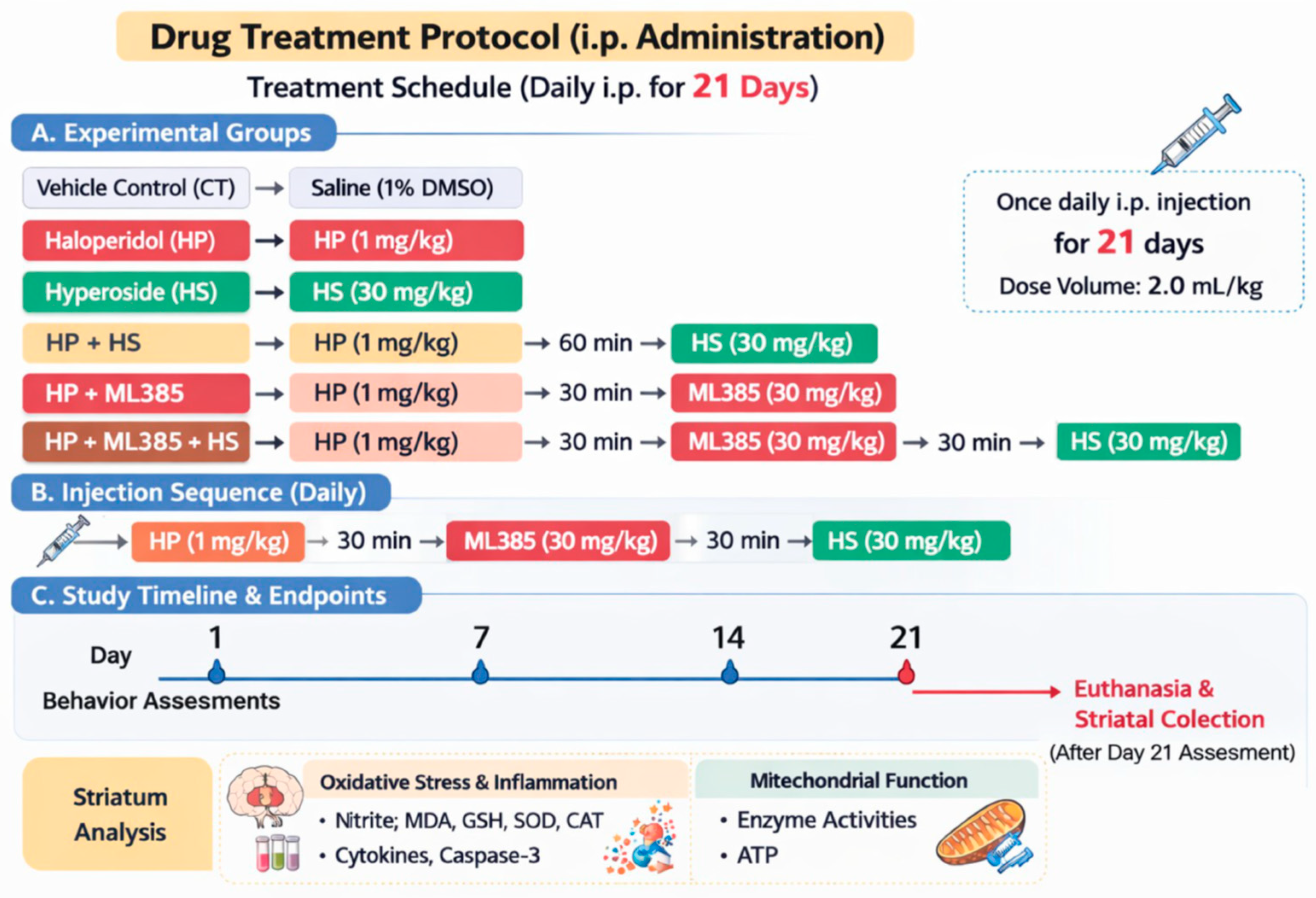
Figure 1. Experimental design and mechanistic overview.
Technology Overview
The technology leverages hyperoside, a natural flavonoid, to concurrently target redox, mitochondrial, and inflammatory pathways. By using an in vivo haloperidol-induced TD model, the methodology evaluates behavioral improvements alongside molecular biomarkers. Hyperoside effectively upregulates the Nrf2 signaling pathway to boost antioxidant defenses, preserves mitochondrial respiratory chain integrity, and inhibits the NF-κB pathway to downregulate neuroinflammatory responses in the striatum.
Applications & Benefits
This research applies directly to clinical psychopharmacology, neurotherapeutics, and natural product drug discovery. It provides profound benefits by offering a safe, multi-functional alternative to current single-target medications for managing antipsychotic side effects. Ultimately, this approach enhances the quality of life for schizophrenia patients requiring long-term neuroleptic therapy while reducing the risk of irreversible neurological damage.
Abstract:
Tardive dyskinesia (TD) is a persistent hyperkinetic movement disorder associated with prolonged dopamine D2 receptor blockade, particularly during chronic haloperidol (HP) exposure. Emerging evidence suggests that TD-like pathology is sustained by an interconnected redox–mitochondrial–inflammatory network within striatal circuits; however, the regulatory architecture of this network remains incompletely defined. Hyperoside (HS), a flavonol glycoside with cytoprotective properties, has been implicated in cellular stress-response modulation, yet its role in antipsychotic-induced motor dysfunction remains unclear. In this study, a six-group mechanistic design was employed in which rats received HP (1 mg/kg, i.p., 21 days) to induce TD-like orofacial dyskinesia (OD), quantified by vacuous chewing movements (VCMs) and tongue protrusions (TPs). HS (30 mg/kg, i.p.) was administered alone or in combination with HP, with or without pharmacological inhibition of nuclear factor erythroid 2–related factor 2 (Nrf2) using ML385. HP exposure induced progressive dyskinetic behavior accompanied by oxidative and nitrosative stress, mitochondrial dysfunction, increased pro-inflammatory cytokines, and elevated caspase-3 activity in the striatum. HS significantly attenuated behavioral abnormalities while restoring redox balance, preserving mitochondrial enzyme activities, and reducing inflammatory and apoptotic signaling. Notably, Nrf2 inhibition intensified molecular pathology without proportionally worsening behavioral outcomes, indicating a dissociation between biochemical vulnerability and overt motor expression. Furthermore, ML385 markedly attenuated HS-mediated protection across multiple endpoints. Collectively, these findings support a potential protective role for Nrf2-related regulatory mechanisms in limiting network destabilization in TD-like pathology, while highlighting the importance of integrated stress-response pathways in modulating disease progression.
Hyperoside Stabilizes Redox–Mitochondrial–Inflammatory Networks in a Haloperidol-Induced Tardive Dyskinesia–Like Model
Author:Tseng Hsiang-Chien, Wang Mao-Hsien, Chang Kuo-Chi, Hsu Chih-Pei
Year:2026
Source publication: Life, 2026, Volume 16, Issue 5, 814
Subfield Highest percentage: 99% Paleontology #1/121